Physical Address
304 North Cardinal St.
Dorchester Center, MA 02124
Physical Address
304 North Cardinal St.
Dorchester Center, MA 02124

Use a humidifier if the air is too dry (below 30% humidity). Use a dehumidifier if the air is too damp (above 50% humidity) to prevent mold and mildew.
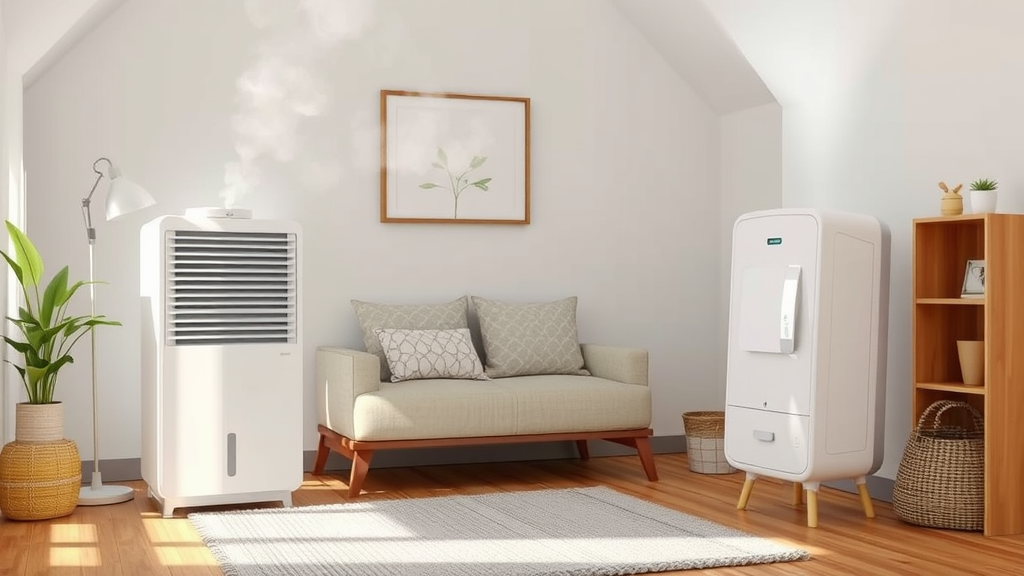
Managing indoor air quality (IAQ) is crucial for maintaining comfort and health; understanding when to utilize a humidifier or dehumidifier can make significant difference in your living environment. Humidity levels (1) play a vital role in how comfortable and healthy your indoor space feels. However, many overlook this aspect, but it can profoundly impact well-being, because an improper balance may lead to discomfort (2). Although the nuances of humidity may seem trivial, they are essential for optimal living conditions.
Dry air can cause numerous problems for both your health (and home). Here are key indicators that you might need a humidifier (1): however, it is essential to recognize the signs. Although some may underestimate the impact of humidity, this can lead to discomfort (and increased health issues). Because dry air affects everyone differently, be attentive to your environment. But, remember, investing in a humidifier may enhance your overall well-being.
Cracked (and) worn wooden furniture or flooring presents a significant challenge: it not only impacts aesthetics (this can be distracting), but also affects functionality. However, many individuals overlook these issues, although they may lead to greater problems down the line. Because of this, addressing such damage promptly is essential for maintaining a cohesive living space.
Excess moisture (1) can be equally problematic. Look out for signs that indicate you require a dehumidifier (2): musty smells, condensation on windows and damp spots on walls. However, it is essential to address these issues promptly, because prolonged exposure to moisture can lead to mold growth. This can create an unhealthy environment, although some may underestimate the importance of humidity control. Thus, recognizing these symptoms is crucial for maintaining a healthy living space.
Persistent dampness (in the basement or crawl spaces) can lead to numerous problems; allergic reactions (or respiratory issues) may arise. This is concerning, however, because it can affect one’s overall health. Although some may ignore these signs, it is crucial to address them promptly.
Ideal indoor humidity levels usually lie (somewhere) between 30% and 50%. Anything outside this range can pose potential health (and) property risks. A hygrometer from the EPA can assist you in measuring your current humidity levels accurately. However, it is crucial to monitor these levels regularly (because) fluctuations can occur, thus impacting air quality. Although many people might overlook humidity, it significantly affects overall well-being and comfort.
Low humidity (1) can lead to respiratory problems, dry skin and increased susceptibility to infections; however, high humidity creates an environment conducive to mold (2), dust mites and bacterial growth. Although this can be beneficial in some contexts, it is crucial to maintain a balanced level of moisture in the air. Because of these factors, one must consider the relative humidity (3) carefully. This balance is essential, but achieving it often proves challenging.
Your selection (which may vary) depends on several factors: 1. personal preference, 2. availability and 3. context. However, because these elements interact uniquely, the outcome can differ significantly. This complexity can be intriguing, although it may also lead to confusion. But, ultimately, your decision will reflect your own values and priorities.
| Condition | Recommended Device |
|---|---|
| Dry Climate | Humidifier |
| Humid Climate | Dehumidifier |
| Seasonal Changes | Consider both devices |
Geographic location (1) significantly influences your humidity management needs; regions with extreme temperatures or specific climate conditions require more precise humidity control. However, this variability can complicate the process, because it necessitates a tailored approach. Although many may underestimate the impact, understanding these factors is crucial. But, without acknowledging these differences, effective management becomes challenging.
Before investing in (any) humidity control device, it is crucial to evaluate: however, one must consider the specific needs of the environment. This is important because various devices offer different levels of effectiveness; therefore, understanding your requirements will guide your choice. Although many options exist, not all will suit your situation exactly. Thus, conducting thorough research is essential (for) making an informed decision.
Engaging with an (HVAC) professional from ASHRAE can yield personalized guidance tailored to your specific living environment; however, this process often requires consideration of various factors (including the size of the space and existing systems). Although the advice may vary, it is crucial to recognize that the effectiveness of recommendations hinges on accurate assessment. Because of this, consulting an expert is paramount. Many individuals overlook such expertise, but the long-term benefits can be substantial. In summary, taking these steps is essential for optimal indoor air quality.
Modern devices (1) now offer smart features such as Wi-Fi connectivity, automatic humidity adjustment and mobile app controls. These advanced options provide more precise, however, convenient humidity management. Remember that maintaining optimal humidity is not merely about comfort—it’s about creating a healthy living environment that protects both your health and your home’s infrastructure (2). Although it may seem trivial, this aspect is crucial because it affects overall well-being.
Understanding (the) appropriate moisture control solution (for) your living space can significantly affect your health, comfort and overall well-being. Determining whether you require a humidifier or dehumidifier depends on several crucial factors related to indoor air quality and environmental conditions.
Recognizing indoor moisture challenges is essential: your home’s humidity levels play a vital role in creating a comfortable and healthy living environment. Excessive (or) insufficient moisture can lead to numerous problems that affect both your personal comfort and your property’s condition.
Signs you might need a humidity control solution are not always obvious; however, noticing variations in humidity levels is important (because) it can indicate underlying issues. Although you may not realize it at first, this can have serious implications for your health and comfort.
(Persistent) respiratory issues, or allergies, have become a significant concern. This can affect individuals of all ages. However, many people underestimate the impact of these conditions (on their daily lives). Although they may seem minor, the effects can be profound. Because of this, it is crucial to address them promptly. Respiratory issues, coupled with allergies, can lead to a variety of complications (over time).
Ideal indoor humidity (typically) ranges between 30% and 50%. When levels fall outside this range, you may experience various discomforts and potential health risks; however, monitoring humidity levels closely is essential (because) it can help mitigate such issues. The Environmental Protection Agency (EPA) recommends this, although many individuals overlook it. This oversight can lead to significant consequences, but being proactive can make a difference.
A humidifier (which) becomes essential in environments that have extremely dry air. Common scenarios may include: the discomfort of dry skin, respiratory issues and even static electricity. However, this device can also improve overall well-being because it helps maintain optimal humidity levels. Although some may underestimate its importance, the benefits are significant.
Winter months (1) characterized by low outdoor humidity can pose challenges; regions that possess naturally arid climates might exacerbate these conditions. Homes equipped with extensive heating systems often contribute to the problem. Individuals who are experiencing respiratory issues may find their discomfort heightened, however, this can be attributed to multiple factors. Although some might adapt, others struggle (2) significantly, because the environment plays a crucial role in their well-being.
Dehumidifiers play an essential role in environments characterized by excessive moisture (e.g., basements, bathrooms). However, their effectiveness can vary significantly based on the specific conditions present. This variability is often due to factors such as humidity levels and airflow (1). Although some might underestimate their importance, effective dehumidification is vital because it helps prevent mold growth (2), which can lead to serious health issues. In conclusion, understanding the need for these devices is crucial for maintaining a healthy indoor atmosphere.
(Basement) and underground living areas (are) often found in regions with high humidity (and) tropical climates. However, these environments present unique challenges (because) of their dampness and potential for mold growth. This creates a necessity for adequate ventilation (to) maintain livable conditions. Although some individuals thrive in such settings, others may find it difficult to adapt.
Improper humidity levels (1) can significantly affect your health. The Mayo Clinic (see: https://www.mayoclinic.org/diseases-conditions/common-cold/in-depth/humidifiers/art-20047879) highlights potential respiratory benefits of maintaining appropriate moisture levels; however, potential health risks arise from imbalanced humidity. Although some may underestimate the importance of moisture control, this factor plays a crucial role in overall well-being.
| Condition | Low Humidity Effects | High Humidity Effects |
|---|---|---|
| Respiratory System | ||
| Skin Health | Dryness (which can lead to irritation) and potential eczema flare-ups are concerning. Increased bacterial (and fungal) growth, however, may exacerbate these issues. This situation is problematic because it can create a cycle of discomfort; although the body attempts to heal, it often encounters further complications. |
Prior to investing in (a) humidity control device, consider these essential factors: 1) effectiveness, 2) cost and (3) maintenance; however, many overlook these aspects. This is crucial because, although the initial price may be appealing, long-term expenses can accumulate. Furthermore, the device’s efficiency may vary depending on environmental conditions. Therefore, it’s imperative to conduct thorough research (and) evaluate all options before making a decision, so that you can ensure optimal performance.
For precise guidance, ASHRAE (American Society of Heating, Refrigerating and Air-Conditioning Engineers) recommends consulting indoor air quality professionals who can conduct comprehensive assessments of your specific environment. Ultimately, the decision (between a humidifier and dehumidifier) depends on your unique living conditions, health needs and environmental factors. By carefully evaluating your indoor air quality, you can create a more comfortable and healthy living space; however, this process requires attention to detail and a willingness to adapt. Although many may overlook these considerations, it is essential to prioritize them, because they directly impact overall well-being.
Selecting the appropriate humidity control device (it is) more than merely a home improvement option—it represents a direct investment in your health and comfort. By thoroughly evaluating your indoor air quality (and) comprehending your specific environmental conditions, you can make an informed decision that significantly enhances your living space.
Whether you decide on a humidifier to counteract dry air’s harsh effects or select a dehumidifier to alleviate moisture-related issues, the key lies in aligning the solution to your unique needs. Your home’s climate, local weather patterns and personal health considerations should undeniably guide your choice.
However, balanced humidity isn’t a one-size-fits-all solution. Optimal indoor humidity levels generally range between 30-50% (and) staying within this range can prevent various problems. Dry air can cause respiratory irritation, skin dryness and static electricity; although excessive moisture can lead to mold growth, dust mite proliferation and potential structural damage. This understanding is crucial for maintaining a healthy living environment.
Monitoring (your home’s humidity levels) with a hygrometer represents an excellent first step. This simple tool can assist you in determining whether you need to add moisture or reduce dampness; pay attention to seasonal changes. Humidity requirements can fluctuate (throughout the year).
Ultimately, investing in the right humidity control device is an investment in your well-being, because creating a comfortable, healthy indoor environment enhances your overall quality of life. Although you’re not just improving air quality, you must take time to assess your specific needs. Consult with professionals if necessary and choose a solution that provides the most comfort and health benefits for you and your family. However, remember that each individual’s situation may differ.
